
Is Winter Kayaking Cold?
How We Keep You Warm and Dry on Lake Brienz
Winter kayaking takes place in cold air and cold water, but that does not mean you have to spend the trip feeling cold. A properly fitted drysuit, insulating clothing underneath and protection for your hands and feet work together to help keep you comfortable. How warm you feel still depends on the conditions, your layers and your own sensitivity to cold.
From the shore of Lake Brienz, the idea can look unlikely. There are mountains above you, winter air on your face and a large expanse of cold water ahead. A kayak hardly looks like the warmest place to sit.
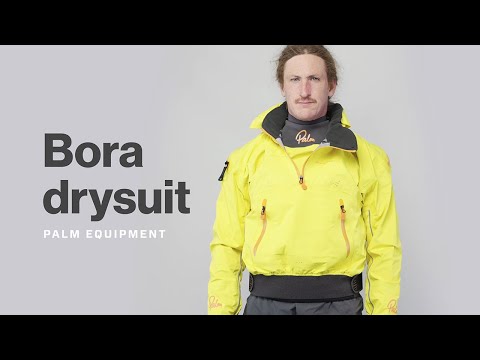
The missing part of that picture is the equipment. At Hightide, winter paddling begins with our yellow Palm Bora drysuits. Understanding what goes inside the suit, and what protects your hands and feet, makes the whole activity easier to imagine.

A drysuit creates a waterproof barrier around your body and clothing. Its fabric, closed waterproof zip, wrist and neck seals, and integrated socks work together to keep lake water out. Your face and hands are outside that barrier.
Hightide uses Palm Bora suits with latex wrist seals and a neoprene neck seal. The attached drysuit socks enclose your feet; they are part of the suit rather than separate socks you pull on afterwards.
Think of the suit as an outer shell with room for clothes inside. The seals close the openings where your head and hands emerge, while the entry zip closes the opening you climbed through. It is a different arrangement from pulling a rain jacket over trousers, where separate garments leave gaps between them.
A drysuit is designed to keep water out, rather than make getting wet part of the experience.
The drysuit provides the waterproof outer barrier; the clothing underneath provides much of the insulation. Your body supplies the heat. Wearing the suit without enough warm clothing beneath it misses an essential part of the system.
That distinction is easy to overlook when you see someone wrapped in a large yellow outfit. It looks substantial, but it is not a heated suit or a thick winter coat. The layers inside are doing a different job from the shell outside.
There is something of the astronaut suit about it: specialist clothing makes an unfamiliar environment accessible. Putting it on marks the start of the outing, before a kayak has even touched the lake. Everyday winter clothes disappear inside the yellow shell, and the equipment starts to make sense as a complete outfit.
Our yellow Bora suits retailed for over €1,000 each. That retail value gives some context for the specialist equipment involved. It does not mean you need to buy a suit yourself to try winter kayaking: use of the equipment is part of the guided experience.
Wear warm, comfortable layers that let you move freely: a thermal top and leggings, with a fleece or other suitable insulating layer as needed. The aim is enough insulation for the conditions without packing the suit so tightly that paddling becomes awkward.
- Base Layer: Thermal underwear or light sportswear (no cotton).
- Mid Layer: A warm sweater or fleece.
- Accessories: Warm socks and a beanie.
You do not need to assemble an entirely new outdoor wardrobe. Start with the warm layers you already use for winter activities and compare them with the clothing instructions for your tour. A bulky jacket is not the starting point for dressing underneath the suit.
If you usually feel the cold, mention that while getting ready. Ask about your layers before dressing is complete, and speak up if anything feels uncomfortable. It is much easier to discuss what you are wearing before you are sitting in a kayak.
Your feet use the same two-part approach as your body: insulating socks for warmth, with the drysuit’s attached socks forming the waterproof barrier. Neoprene footwear goes outside.
The word “socks” can cause confusion here. Your ordinary warm socks and the drysuit socks are different things. The first are clothing; the second are the closed feet of the waterproof suit. Hightide also supplies thick socks and neoprene boots.
If you're picturing wet feet in a kayak, this is an important change of scene. Your feet have their own part of the winter clothing system. When getting dressed, make sure the combination feels comfortable, roomy and warm, rather than the best sporty fit. You'll be sitting for most of the time so give your toes room to move so the warm blood can circulate.
Paddle pogies help shelter your hands while you paddle. These mitts attach to the paddle, allowing you to put your hands inside and grip the shaft directly.
They look slightly puzzling until you see them in use. Instead of putting on an ordinary glove and then picking up a paddle, you put your hands into little neoprene covers already attached to it. Your fingers can hold the paddle inside their shelter.
This also explains why pogies and ordinary gloves have separate jobs. The pogies stay on the paddle when your hands come out. Hightide asks guests to bring warm gloves for the break.
The complete outfit is easier to understand in this order: warm clothes, drysuit, protected feet, protected hands, then the kayak. Each part answers a different concern about the cold
Falling in is unlikely, but if it happens, your drysuit is designed to keep you dry and your guide will help you get back into your kayak.
You’ll also be wearing a buoyancy aid to help you stay afloat. Your guide is there throughout the tour, so you won’t have to manage it on your own. They train this routine and will have you back in your boat before you remember it's winter!

Lake Brienz can cool to around 5°C in winter. That is historical seasonal context, not a fixed temperature for every date or location. An Eawag report examining lake profiles from 1994 to 2012 describes winter temperatures falling towards 5°C.
For a paddler, the useful point is that the water needs to be treated as cold even when the day looks inviting. Sunshine on the mountains does not tell you the temperature of the lake. This is why the clothing system is designed around more than the air temperature alone.
MeteoSwiss records that Lake Brienz did not freeze over even during the severe winter of 1963, when several other Swiss lakes did. That helps explain how winter kayaking is possible here, but open water alone does not establish suitable paddling conditions. Wind and weather still determine whether an outing can take place.
Want to learn more about Lake Brienz? 10 Things You Probably Didn't Know About Lake Brienz
Yes, kayaking in falling snow can be possible when the wider conditions are suitable. Snow on its own does not automatically cancel a Hightide tour. Strong wind and thunderstorms are among the conditions that can prevent us from operating.
Light flakes landing on the deck of a kayak give you a very different view of snowfall from watching it through a window. But a snowy photograph cannot tell you whether another day will be appropriate for paddling.
Hightide assesses the conditions for the outing. Read our explanation of how weather affects a kayak tour if the forecast is making you uncertain. The weather symbol on your phone is only one part of the picture.

Yes. Hightide’s guided winter kayak tour is suitable for beginners and does not require previous kayaking experience. Instruction is provided, and the pace follows the group.
Being new to the paddle is different from being unprepared for the season. You still need the right clothing, suitable equipment and conditions, and an understanding of the guide’s instructions.
If you are unsure whether the activity suits you, explain your particular concern before booking. “I have never kayaked” and “I struggle with cold conditions” are different questions and deserve useful answers of their own.
You are still outside in winter: the air can feel cold on your face, while your clothed body, feet and hands have their own protection. The aim is to be comfortable enough to notice the lake around you, rather than spend the outing thinking only about staying warm.
Imagine a calm stretch of water. Your paddle breaks the reflection, then lifts with a few drops falling from the blade. From the kayak, the shoreline is at eye level and the mountains rise above it. On a clear day, you may have open views of the peaks; with low cloud, your attention may shift to the nearer shore and the sound of the paddle.
But winter does not give Lake Brienz one fixed appearance. The changing light is part of the interest, as our story about why Lake Brienz looks so turquoise explains.
The drysuit makes that change of perspective possible. A scene you might otherwise watch from the promenade becomes somewhere you can explore from the water.

Winter Kayak Tour
If you are looking for unique winter activities in Interlaken, kayaking on Lake Brienz is the ultimate nature experience. Glide across a glassy lake, surrounded by snow-covered peaks and crisp alpine air. This is winter at its most peaceful.


